
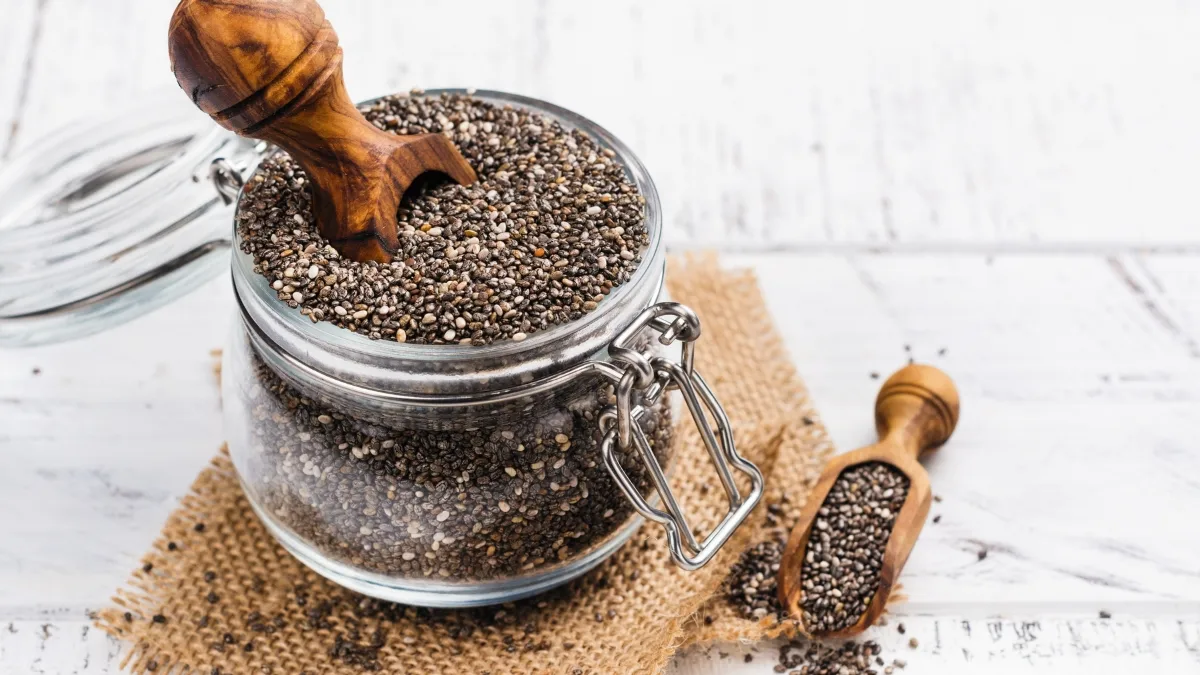
Chia seeds may be tiny, but they are one of the most powerful natural foods you can add to your diet. Originally cultivated by ancient civilisations, these small black and white seeds have stood the test of time — and modern nutrition science continues to highlight why. Packed with fibre, protein, healthy fats, vitamins and minerals, chia seeds offer a wide range of benefits that support everything from digestion to heart health.
One of the most impressive qualities of chia seeds is their exceptionally high fibre content. Just two tablespoons contain around 10 grams of fibre, which is a significant contribution towards your daily intake. Fibre plays a vital role in supporting healthy digestion, promoting regular bowel movements and helping to balance blood sugar levels. Because chia seeds absorb liquid and form a gel-like texture in the stomach, they can help you feel fuller for longer. This can naturally reduce overeating and support sustainable weight management without restrictive dieting.
Chia seeds are also rich in omega-3 fatty acids, particularly alpha-linolenic acid (ALA). Omega-3s are essential fats that the body cannot produce on its own, meaning they must be obtained through food. These healthy fats are known to support heart health by helping to reduce inflammation, improve cholesterol balance and maintain healthy blood pressure. For those following a plant-based lifestyle, chia seeds are one of the most accessible and convenient sources of omega-3s.
Another key benefit is their protein content. Chia seeds contain all nine essential amino acids, making them a complete plant-based protein. Protein is essential for muscle repair, immune function, hormone production and maintaining steady energy levels throughout the day. Adding chia seeds to meals can be particularly beneficial for active individuals, women navigating hormonal changes, or anyone looking to support balanced energy and reduced cravings.
They are also packed with important minerals including calcium, magnesium, phosphorus and iron. Calcium and magnesium contribute to strong bones and teeth, while iron supports oxygen transport in the blood and helps prevent fatigue. For women in particular, maintaining adequate iron intake can be especially important during reproductive years.
Beyond physical health, chia seeds may also support metabolic health and blood sugar regulation. Thanks to their combination of fibre, protein and healthy fats, they slow the digestion and absorption of carbohydrates. This can help prevent sharp spikes and crashes in blood sugar, promoting steadier energy and improved focus throughout the day.
Incorporating chia seeds into your routine is simple and versatile. They can be sprinkled over porridge or yoghurt, blended into smoothies, stirred into overnight oats, or soaked to create chia pudding. They also work well as a natural thickener in soups and baking recipes.
Of course, knowing what to eat is one thing — understanding how to apply it to your lifestyle is another. At The Wellbeing Room, Hannah offers personalised nutrition coaching to help you build sustainable habits around food, energy and overall health. Whether you’re looking to improve digestion, support hormonal balance, manage weight in a healthy way, or repair your relationship with food, tailored guidance can make all the difference. Chia seeds might be a powerful addition to your diet, but true, lasting wellbeing comes from a holistic approach that works for you.
Small but mighty, chia seeds truly live up to their superfood reputation — offering an easy, natural way to nourish your body from the inside out.
Leave a Reply