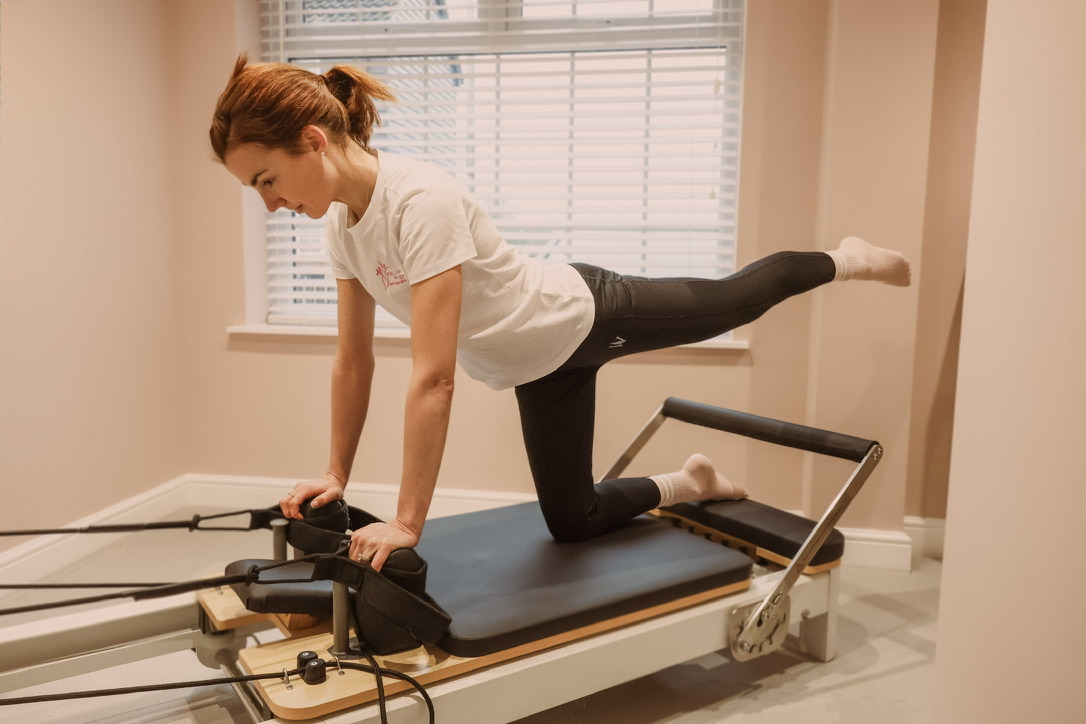
Pilates has become one of the most effective and popular ways to build strength, improve posture and support overall wellbeing. However, if you’re considering starting, you may be wondering about the difference between traditional Pilates and reformer Pilates, and which approach might suit you best. While both methods are rooted in the same principles of control, precision and breath, they offer slightly different experiences and benefits.
Traditional Pilates, often referred to as mat Pilates, is the original form developed by Joseph Pilates. It uses your own bodyweight as resistance and focuses on slow, controlled movements designed to strengthen the deep stabilising muscles of the core. Sessions are typically performed on a mat, sometimes incorporating small pieces of equipment such as resistance bands or soft balls to add variety and challenge. The emphasis is on alignment, posture, breathing and developing strength from the inside out. Because it relies primarily on bodyweight, traditional Pilates is accessible, adaptable and suitable for a wide range of ages and abilities. It is particularly beneficial for improving core stability, easing back discomfort and increasing overall body awareness.
Reformer Pilates, by contrast, uses a specialist piece of equipment called a reformer. This machine features a sliding carriage and adjustable springs that provide varying levels of resistance. The springs can both support and challenge the body, allowing movements to be assisted when needed or intensified for greater strength building. Reformer sessions often feel more dynamic, as the moving carriage adds an extra element of control and coordination. The adjustable resistance means exercises can be highly tailored, making reformer Pilates ideal for rehabilitation, strength development and progression once foundational control has been established.
Neither approach is better than the other; they simply offer different ways to experience the Pilates method. Traditional mat work builds a strong foundation of control and technique. Reformer work can then add resistance, variety and additional challenge. Many people benefit from combining both styles over time.
At The Wellbeing Room, we offer one-to-one traditional Pilates and one-to-one reformer Pilates, ensuring every session is tailored to your individual goals and needs. Personal sessions allow us to focus fully on your movement patterns, posture and progress in a supportive and encouraging environment. For those who enjoy the motivation and sense of community that comes from exercising together, we also run group traditional Pilates classes at Langford Village Hall. These classes provide the benefits of structured, guided mat Pilates within a welcoming and friendly group setting.
Whether you are new to Pilates, returning after a break, managing discomfort or simply looking to build strength and confidence in your body, there is an option to suit you. The most important step is simply getting started, and choosing the environment that feels right for you.
Leave a Reply